
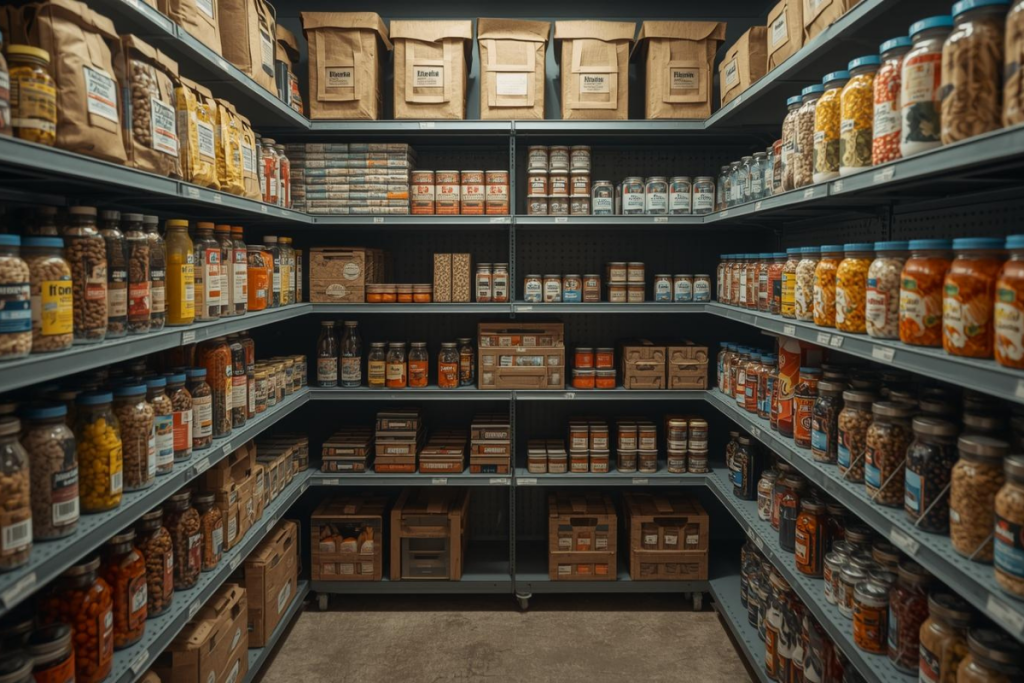
Walk into The Hive in St Mellons, a working-class Cardiff suburb, and you won’t see pre-packed food bags or charity handouts.
You’ll see dispensers. Pasta. Rice. Beans. Lentils. Oats.
Bring a container. Fill it yourself. Take what you need.
For £5 a week, members choose their own groceries while keeping thousands of containers out of landfills. It’s a zero-waste pantry that treats food insecurity and environmental waste as two sides of the same problem.
Walk into The Hive, grab a reusable container, and fill it with pasta, rice, or beans from dispensers. No pre-packed bags. No predetermined portions.
This is The Hive’s zero-waste pantry, proving that food security and environmental sustainability don’t compete.
The Problem Was Always Visible
Wales throws away 400,000 tonnes of food annually. Most still edible.
Meanwhile, 1 in 5 households in Wales face food insecurity. 29% of children live in poverty.
The math doesn’t work. Surplus exists alongside scarcity.
Traditional food assistance creates problems. Pre-packed bags generate waste. Recipients can’t accommodate dietary restrictions, religious requirements, or preferences. Lack of choice erodes dignity.
The Hive and FareShare Cymru built something different.
How It Works
The pantry runs on membership. Pay £5 for a color-coded selection: two red items and five blue items per visit.
Dispensers hold dry goods. Bring your own containers or use theirs. Fill what you need.
Pasta is free to get people using reusable containers.
Over 100 people use the pantry weekly.
FareShare Cymru supplies surplus food that would otherwise go to waste. Since 2015, they’ve redistributed 7,000 tonnes, delivering over 20 million meals across Wales.
The Hive does more than distribute food.
The Hub Element
Coffee mornings. Financial advice. Boxing and Diamond Art Club. Community gardens. Seasonal events.
Since 2015, 138 volunteers or employees gained formal qualifications. Another 59 found paid work.
Volunteers report better wellbeing, stronger connections, and awareness of food waste.
The pantry addresses hunger. The hub addresses isolation, skill gaps, and economic mobility.
What the Data Shows About Choice
Choice-based food models show consistent patterns.
A 2021 Ottawa study found choice models increased access to fruits and vegetables and created “a more dignified experience.”
Choice models help people manage diabetes or gluten allergies. They accommodate cultural and religious practices. They reduce waste because people take what they’ll use.
Six components of dignified food access:
Unconditional access
Complete meals
Fresh and healthy food
Minimal access and preparation burden
Care and positive emotional experiences
Honoring diverse foodways and practices
The Hive hits most of these.
Social supermarkets and choice-based pantries reduce barriers and preserve autonomy.
The Zero-Waste Component Matters
The zero-waste grocery market hit $290.9 billion in 2025. It’s projected to reach $424.87 billion by 2030.
1,300 reuse and refill shops operate in the U.S.
Refill products cost less than single-use packaged goods. EPA data shows packaging makes up 28% of municipal solid waste.
One Kansas City shop has refilled over 70,000 containers since 2020. Eliminate single-use packaging, keep waste out of landfills.
The Hive applies this to food assistance, addressing hunger and environmental impact.
The Funding Model
The Hive ran a Big Give campaign from December 2-9, 2025. Matching funds doubled donations.
Research shows every dollar spent on food assistance generates $1.70 in economic activity.
The campaign supported 240 community groups across Wales.
Matching grants leverage initial contributions and create urgency.
What This Model Reveals
The Hive demonstrates several things.
Environmental sustainability integrates into social services. You don’t choose between feeding people and reducing waste.
Choice preserves dignity. When people select their own food, they maintain autonomy.
Community hubs address more than material needs. Social connection, skill development, and employment emerge when people gather.
Surplus redistribution optimizes resources. Wales has enough food. Distribution is the challenge.
Questions remain.
Does immediate relief reduce pressure for systemic reform? Do community hubs let larger systems off the hook?
How do you balance data with the human element? The Hive tracks numbers—100 people weekly, 7,000 tonnes redistributed—but the real impact is unmeasurable.
The Bigger Pattern
The Hive isn’t unique. Similar models exist globally.
Material support alone isn’t enough. People need connection, belonging, and agency.
Shifting from dependency-creating aid to capacity-building support changes the relationship between providers and recipients. The membership fee—small but present—reinforces this. You’re not receiving charity. You’re participating.
The intergenerational design matters. Boxing classes, art clubs, and gardens bring different age groups together, countering age-segregation.
The environmental component is central. Teaching people to use reusable containers, showing them packaging waste, demonstrating that sustainable practices are accessible—these lessons extend beyond The Hive.
What You Can Learn From This
The Hive’s model offers practical insights for food assistance, community development, and environmental sustainability.
Lower barriers to entry. Free pasta normalizes new behaviors.
Embed choice. Autonomy matters.
Create space for connection. The pantry brings people in. The hub keeps them there.
Use surplus strategically. FareShare Cymru proves food waste and food insecurity can solve each other.
Think in systems. The Hive feeds people, builds skills, creates jobs, reduces waste, and strengthens community. These outcomes reinforce each other.
The model isn’t perfect. Membership fees exclude some people. The color-coded system limits choice. The pantry depends on surplus from the broader food system.
Perfect isn’t the goal.
The Hive addresses multiple problems: food insecurity, environmental waste, social isolation, economic opportunity.
Some is measurable: 100 people weekly, 138 qualifications earned, 59 people employed.
The rest shows up in conversations, volunteers, and whether the model spreads.
St Mellons has something that works. What happens next?
