
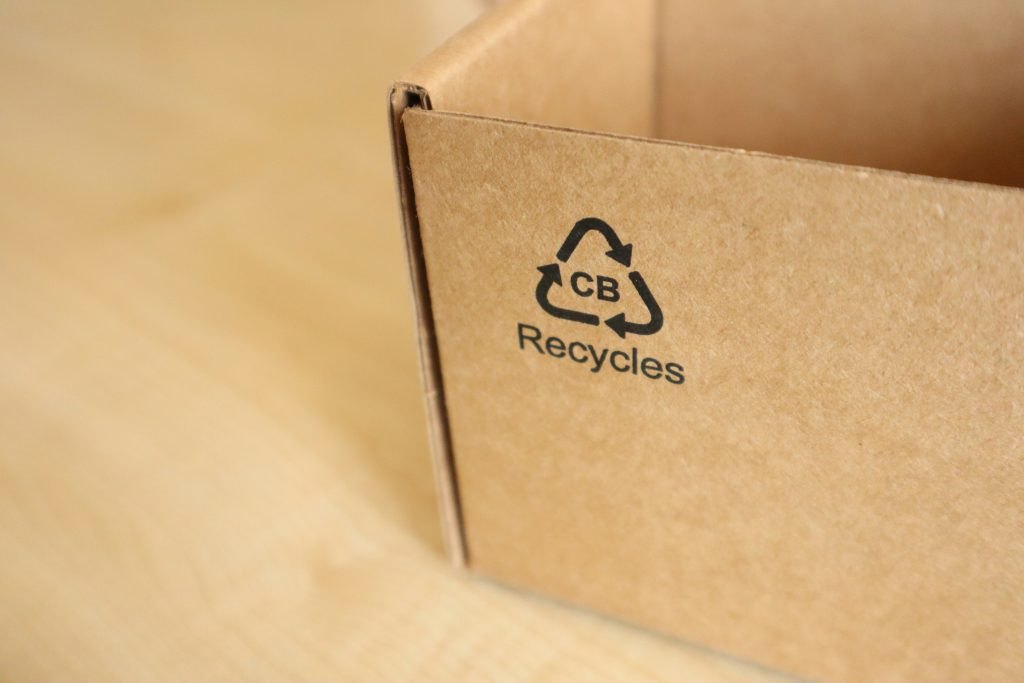
I’ve watched brands spend millions switching to bioplastics, celebrating press releases about their “sustainable future.”
Then I watched those same brands quietly switch back to cardboard.
Everyone wants the next big thing. The shiny new material that sounds revolutionary. But while we’re all looking ahead, we’re missing what’s already working.
Cardboard. Plain old corrugated packaging.
It sounds boring compared to compostable plastics or plant-based alternatives. But boring doesn’t mean ineffective.
The Recycling Reality Nobody Talks About
The recycling numbers tell the real story:
The cardboard recycling rate hit 69-74% in 2024. That’s 90,000 tons diverted from landfills every single day. Not eventually. Not in pilot programs. Right now.
Compare that to compostable packaging. Most of it requires commercial composting facilities that barely exist. And even when they do, the material often doesn’t break down in the 60-90 day window composters need.
The infrastructure for cardboard already exists everywhere. Curbside pickup. Drop-off centers. Universal acceptance.
When “Green” Alternatives Aren’t So Green
Research shows that compostable products and bioplastics often produce more greenhouse gas emissions than single-use plastics. The agricultural phase alone creates significant environmental costs.
The production process requires more energy, more water, and more toxic chemicals. Some manufacturers add PFAS forever chemicals to make them waterproof.
Meanwhile, 96% of corrugated boxes come from certified sustainable fiber sourcing programs. The forest products industry plants 1.7 million trees daily. There are more trees on U.S. forestland today than a century ago.
Why Brands Keep Coming Back
Brands experiment with alternative materials, run pilot tests, then quietly return to corrugated.
The reasons are practical: it scales, it’s affordable, it protects products effectively, it prints beautifully for branding, and it actually gets recycled through existing systems.
Modern corrugated has gotten lighter and stronger through engineering advances. Some manufacturers achieve 20% weight reduction without compromising structural integrity. That means fewer materials, lower transport emissions, and reduced costs.
The Solution We Already Have
New materials feel like progress.
But sustainability is about what works at scale, right now, with infrastructure that exists today.
Corrugated packaging delivers environmental benefits without requiring consumers to find specialized facilities or brands to build new collection systems. It’s made from renewable resources, incorporates recycled content, and gets recycled at rates most alternatives can’t match.
The best environmental choice is the one we’ve been using all along. We stopped paying attention because it wasn’t new enough to generate headlines.
If you’re rethinking your packaging strategy, start with the basics. Look at corrugated before chasing alternatives that sound impressive but underperform in practice. Sometimes the smartest innovation is recognizing what already works.
