
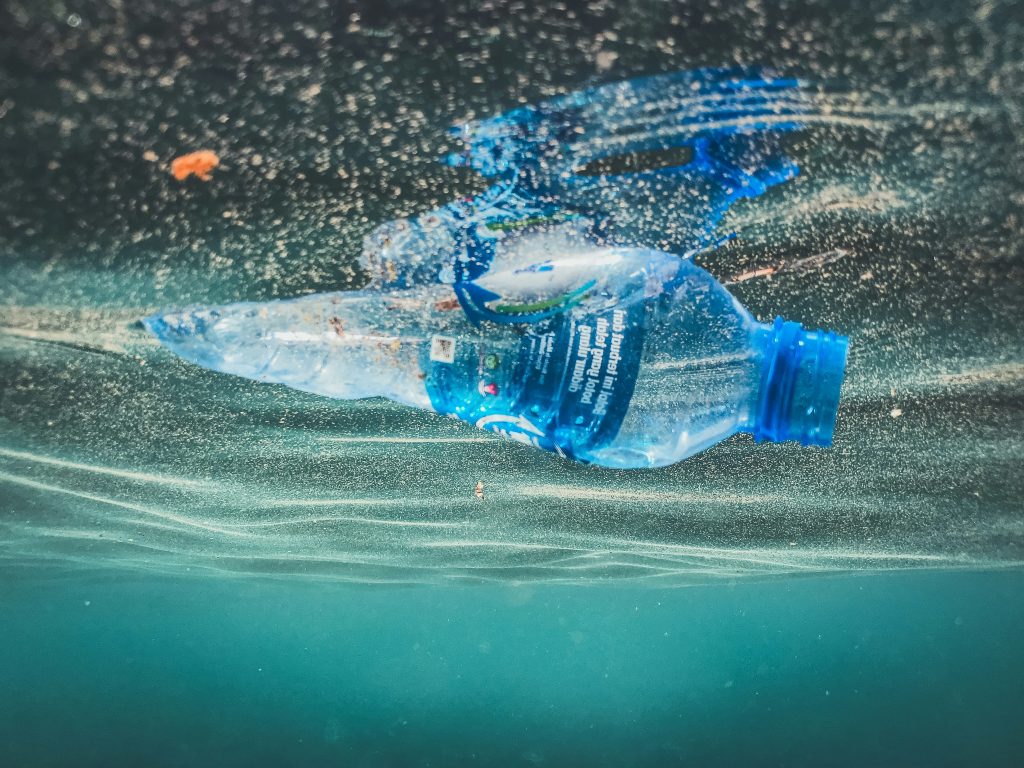
Three sugar cubes of plastic.
That’s all it takes to kill half the Atlantic puffins that eat it.
We’ve never had exact numbers before. How much plastic does it take to kill a seabird? A turtle? A dolphin?
Researchers just answered that question. They analyzed over 10,000 necropsies across seabirds, sea turtles, and marine mammals and published their findings in the Proceedings of the National Academy of Sciences, establishing specific lethal thresholds for each group.
The Measurements That Matter
For Atlantic puffins, less than one sugar cube’s worth of plastic creates a 50% mortality rate. That’s the volume at which one in two birds dies.
For loggerhead turtles, it’s less than half a baseball.
For harbor porpoises, less than a sixth of a soccer ball.
These are 50% mortality thresholds. At 90% likelihood of death, the volumes increase slightly: three sugar cubes for puffins, two baseballs for turtles, one soccer ball for porpoises.
Even a single piece of marine debris gives a seabird a 20.4% chance of dying. One piece. One encounter. One mistake.
Not all plastic types threaten all species equally.
Different Plastics, Different Threats
Seabirds are particularly vulnerable to rubber and hard plastics. Marine mammals face the highest risk from soft plastics and fishing gear. Sea turtles are threatened by multiple plastic types, making them especially at risk.
Many of these species already hold threatened or endangered status. The plastic crisis compounds existing conservation challenges.
What The Numbers Don’t Show
The research likely underestimates the full impact.
The study examined only stomach contents, excluding microplastics, chemical contamination, and entanglement deaths.
More than a garbage truck’s worth of plastic enters the ocean every minute. That’s the context these animals are trying to survive in.
Why This Matters Beyond The Ocean
Reducing plastic waste directly saves marine wildlife. We now have quantitative evidence connecting specific volumes to mortality risk.
The researchers suggest these findings should inform policy development and conservation initiatives—reducing plastic production, improving waste management, enhancing cleanup operations.
Individual choices matter too. Every plastic item we refuse is one less piece in the ocean. One less deadly encounter.
Start with single-use plastics: swap disposable bottles for reusables, choose package-free produce, bring your own bags. Small shifts in daily habits reduce the plastic entering oceans where a volume smaller than a baseball can kill.
Three sugar cubes. Half a baseball. A sixth of a soccer ball.
We know the lethal doses. Now we can act on them.
